Baking & Desserts Classic Vanilla Butter Cake
Highlighted under: Pastry Pleasures
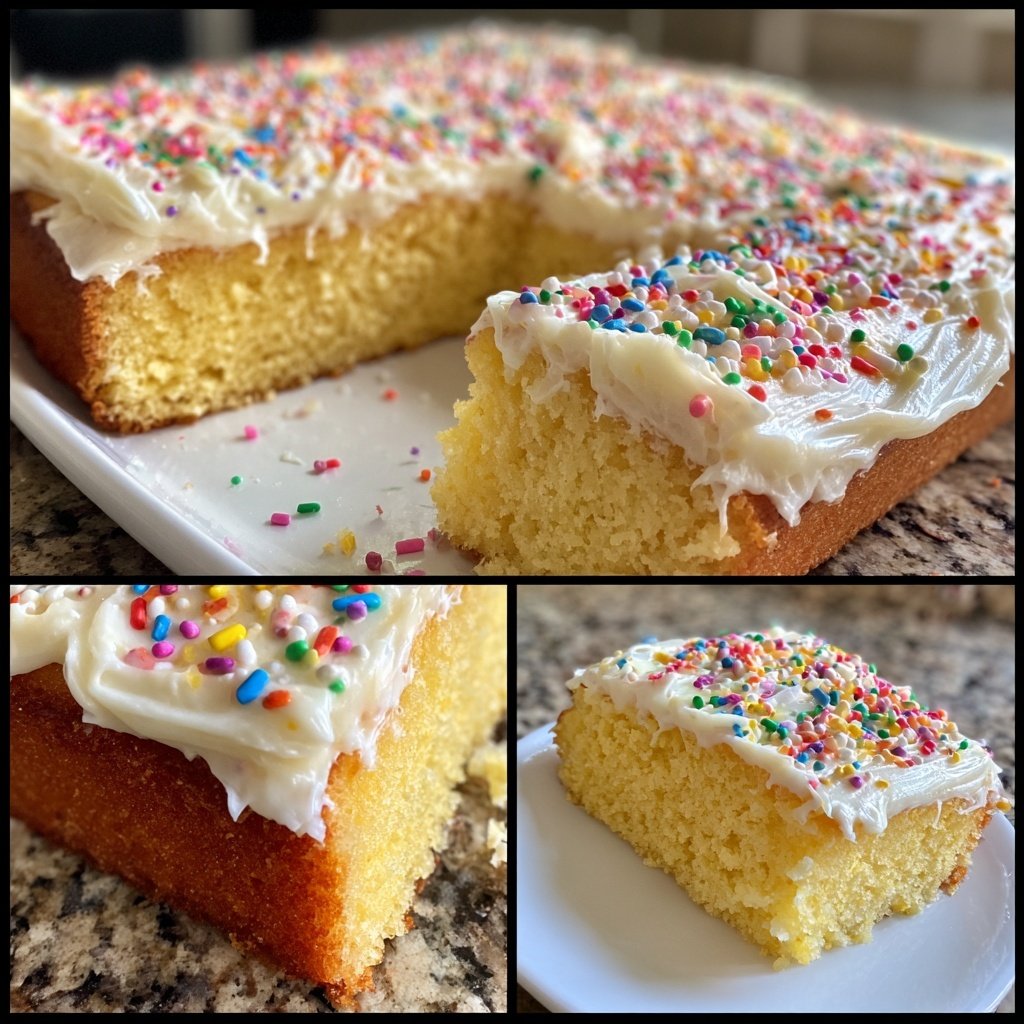
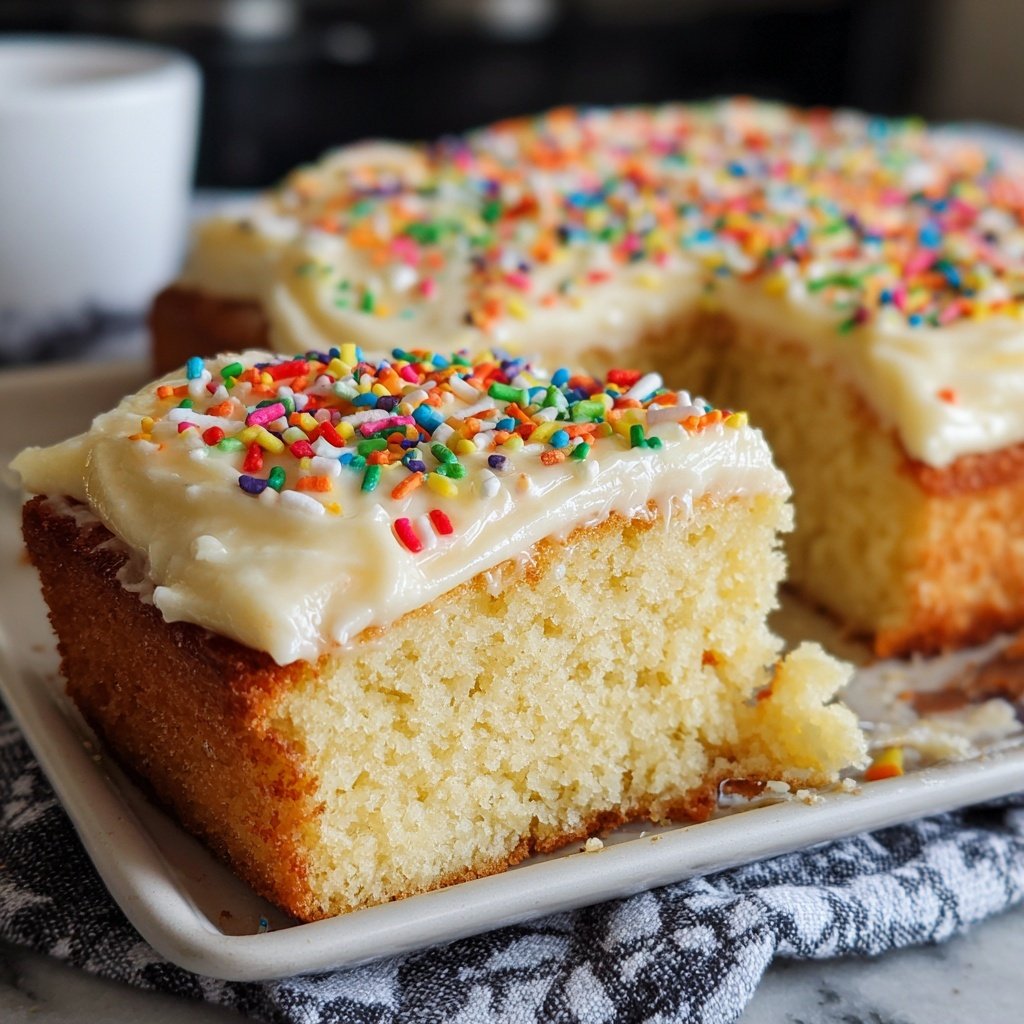
I love making a classic vanilla butter cake because it's the perfect blend of buttery goodness and vanilla aroma. This recipe holds a special place in my heart because it evokes memories of baking with my grandmother. The simplicity of the ingredients allows the flavors to shine, and the moist texture is simply irresistible. Whether it's for a casual afternoon tea or a magnificent celebration, this cake never fails to impress. Trust me, once you try it, this will become your go-to dessert for all occasions.
When I first attempted this classic vanilla butter cake, I was surprised by just how simple and satisfying the process could be. The method focuses on creaming the butter and sugar until light and fluffy, which is the secret to achieving that perfect texture. Adding the eggs one at a time while mixing ensures that they blend seamlessly, creating a cohesive batter that bakes beautifully.
Throughout my baking journey, I’ve learned that the quality of the vanilla extract is crucial. Investing in pure vanilla makes a noticeable difference in flavor, elevating this cake from ordinary to extraordinary. Plus, I love decorating it with a dusting of powdered sugar or a light vanilla glaze for an elegant finish.
Why You Will Love This Recipe
- Rich, buttery flavor that melts in your mouth
- Perfectly moist texture that's easy to slice
- Versatile base for various frosting options
Understanding Ingredients
The key to achieving that rich, buttery flavor in this vanilla butter cake lies in the quality of your butter. I recommend using unsalted butter as it provides better control over the sweetness. Make sure your butter is softened to room temperature to ensure an even creaminess when mixed with sugar, which creates the desired fluffy texture. Remember, cold butter won't emulsify properly and could lead to a denser cake.
Granulated sugar isn’t just for sweetness in this recipe; it plays a critical role in the structure of the cake as well. The sugar crystals help aerate the butter during the creaming process, allowing air to expand during baking, which results in a light cake. If you prefer, you can substitute part of the sugar with a natural sweetener like coconut sugar for a different flavor profile, though texture may vary slightly.
Baking Tips for Success
When mixing your batter, be careful not to overmix. Once you add the dry ingredients to the wet, mix just until combined. Overmixing can lead to gluten formation, resulting in a tough, chewy texture instead of the light, tender crumb we aim for. A good visual cue is to stop as soon as you no longer see any dry flour—this ensures you retain the ideal moisture in the cake.
For even baking, make sure to rotate your cake pans halfway through the baking time. Ovens can have hot spots, and this simple step will help ensure that both layers bake evenly. If your cake layers have domed tops, simply level them with a serrated knife after they cool for a perfect, uniform appearance—great for frosting later!
Serving and Storing
This cake is delightful on its own, but you can customize it with various frostings or toppings. A light vanilla glaze, like the optional recipe included, adds a touch of sweetness without overwhelming the buttery flavor. Alternatively, fresh fruit and whipped cream make for a delightful combination, especially in the warmer months when berries are in season. Consider serving slices with a scoop of vanilla ice cream for an indulgent treat.
To store your vanilla butter cake, wrap slices in plastic wrap or foil and keep them at room temperature for up to three days. For longer storage, you can freeze individual slices. Just ensure they are well-wrapped to prevent freezer burn, and they will keep for about two months. When ready to enjoy, let them thaw at room temperature or pop them in a 350°F (175°C) oven for a few minutes to warm up.
Ingredients
Gather the following ingredients to make the perfect vanilla butter cake.
For the Cake
- 1 cup unsalted butter, softened
- 2 cups granulated sugar
- 4 large eggs
- 2 teaspoons vanilla extract
- 3 cups all-purpose flour
- 1 tablespoon baking powder
- 1/2 teaspoon salt
- 1 cup whole milk
For the Glaze (Optional)
- 1 cup powdered sugar
- 2 tablespoons milk
- 1/2 teaspoon vanilla extract
Ensure all ingredients are at room temperature for the best results.
Instructions
Follow these steps to bake your delicious vanilla butter cake.
Preheat the Oven
Preheat your oven to 350°F (175°C) and grease two 9-inch round cake pans.
Cream Butter and Sugar
In a large mixing bowl, cream the softened butter and granulated sugar together until light and fluffy.
Add Eggs and Vanilla
Add the eggs one at a time, mixing well after each addition. Stir in the vanilla extract.
Combine Dry Ingredients
In a separate bowl, whisk together the flour, baking powder, and salt.
Mix Wet and Dry Ingredients
Gradually add the dry ingredients to the butter mixture, alternating with the milk. Mix until just combined.
Bake the Cake
Pour the batter evenly into the prepared cake pans and bake for 30 minutes or until a toothpick inserted into the center comes out clean.
Cool and Glaze
Let the cakes cool in the pans for 10 minutes before transferring them to wire racks. If using, whisk together the glaze ingredients and drizzle over the cooled cake.
Enjoy a slice of your delicious vanilla butter cake!
Pro Tips
- For an extra touch, add citrus zest or mix in chocolate chips for variety.
Troubleshooting Common Issues
If your cake doesn't rise properly, it's often due to old or expired baking powder. Always check the date on your baking powder before use, and perform a freshness test by mixing it with a bit of vinegar or water; it should fizz actively to indicate potency. Additionally, be sure not to open the oven door too early, as the temperature drop can cause the cake to collapse.
Another issue encountered may be a dry cake. This can happen if the cake is overbaked or if there isn't enough moisture in the batter. Using whole milk is advised, as it contributes to the cake’s moisture. If you prefer a lighter option, consider using buttermilk; it adds richness and tenderness due to its acidity.
Variations to Try
For a flavorful twist on this classic vanilla butter cake, consider adding lemon or almond extract along with the vanilla. Just a teaspoon can alter the flavor profile dramatically, offering a fresh take from the traditional taste. Alternatively, fold in chocolate chips or nuts for added texture and flavor; just ensure to reduce the flour by 2–3 tablespoons to maintain the cake's ideal moisture balance.
If you’re looking to make this cake gluten-free, substitute an all-purpose gluten-free flour blend. Just be mindful of the conversion ratios as some blends may require additional moisture or binding agents. Adding a tablespoon of applesauce or yogurt can help improve the cake's texture while keeping it moist.
Make-Ahead Tips
This vanilla butter cake can be made ahead of time, perfect for busy occasions. You can bake the layers in advance, let them cool completely, then wrap them tightly in plastic wrap and refrigerate for up to a week. They can also be frozen for up to two months; just be sure to label them well. This allows for a stress-free assembly on the day of your event.
If frosting the cake ahead of time, consider using a buttercream frosting, as it holds up better in the fridge. However, if you're using a glaze, apply it just before serving to maintain its shine and prevent it from soaking into the cake too much. This ensures a beautiful presentation and the full impact of the glaze's flavor.
Questions About Recipes
→ Can I use salted butter?
Yes, just reduce the added salt in the recipe.
→ How do I store the cake?
Store it in an airtight container at room temperature for up to 3 days.
→ Can I freeze the cake?
Absolutely! Wrap the cooled cake tightly in plastic wrap and freeze for up to 2 months.
→ What can I serve with this cake?
This cake pairs well with fresh berries, whipped cream, or a scoop of vanilla ice cream.
Baking & Desserts Classic Vanilla Butter Cake
Created by: Eliza Thornton
Recipe Type: Pastry Pleasures
Skill Level: Intermediate
Final Quantity: 8 servings
What You'll Need
For the Cake
- 1 cup unsalted butter, softened
- 2 cups granulated sugar
- 4 large eggs
- 2 teaspoons vanilla extract
- 3 cups all-purpose flour
- 1 tablespoon baking powder
- 1/2 teaspoon salt
- 1 cup whole milk
For the Glaze (Optional)
- 1 cup powdered sugar
- 2 tablespoons milk
- 1/2 teaspoon vanilla extract
How-To Steps
Preheat your oven to 350°F (175°C) and grease two 9-inch round cake pans.
In a large mixing bowl, cream the softened butter and granulated sugar together until light and fluffy.
Add the eggs one at a time, mixing well after each addition. Stir in the vanilla extract.
In a separate bowl, whisk together the flour, baking powder, and salt.
Gradually add the dry ingredients to the butter mixture, alternating with the milk. Mix until just combined.
Pour the batter evenly into the prepared cake pans and bake for 30 minutes or until a toothpick inserted into the center comes out clean.
Let the cakes cool in the pans for 10 minutes before transferring them to wire racks. If using, whisk together the glaze ingredients and drizzle over the cooled cake.
Extra Tips
- For an extra touch, add citrus zest or mix in chocolate chips for variety.
Nutritional Breakdown (Per Serving)
- Calories: 380 kcal
- Total Fat: 26g
- Saturated Fat: 15g
- Cholesterol: 195mg
- Sodium: 85mg
- Total Carbohydrates: 32g
- Dietary Fiber: 3g
- Sugars: 24g
- Protein: 6g